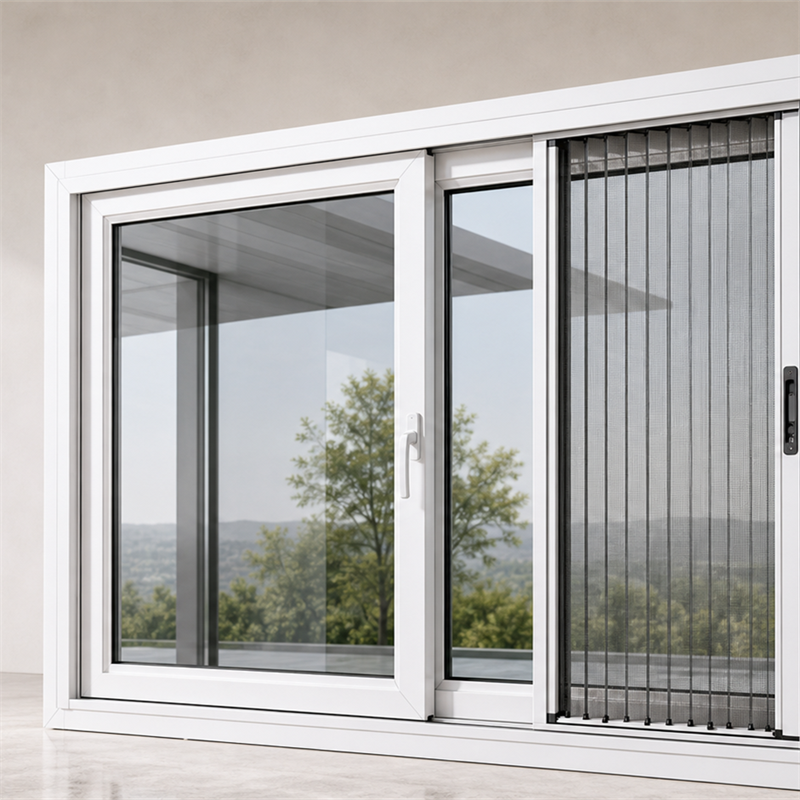
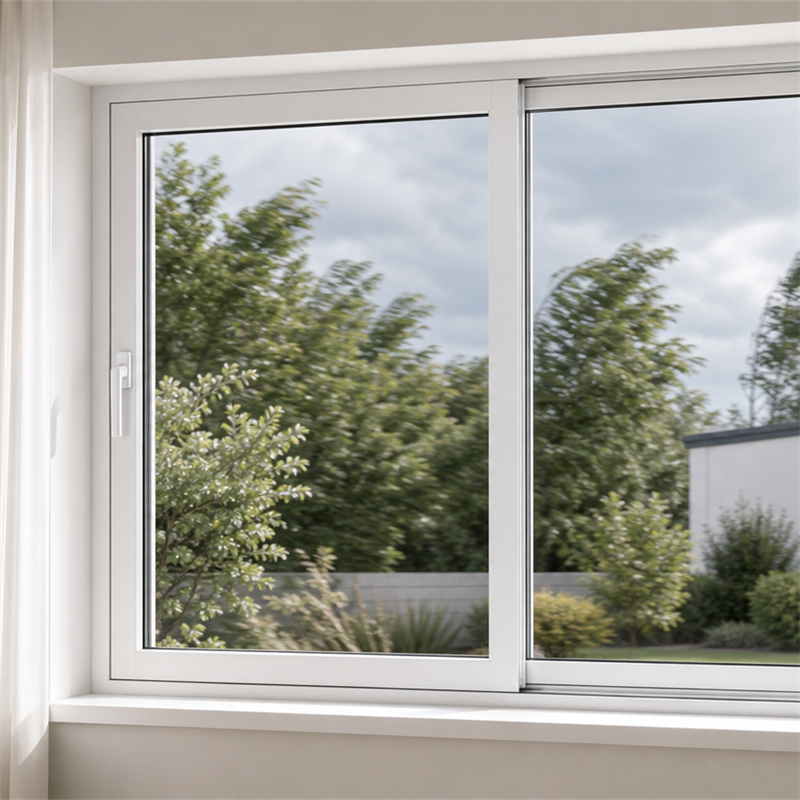
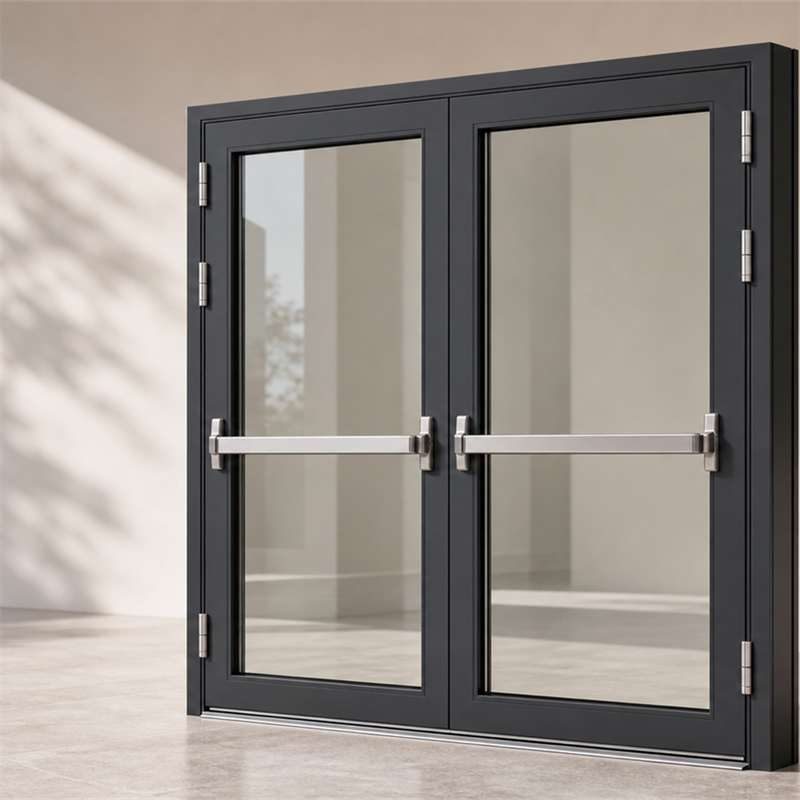
Door and window hardware operates in diverse geographic conditions, so regular cleaning and periodic maintenance are essential to preserve performance. Dust, dirt, and debris are the primary culprits behind stiff operation and premature wear of hinges, locks, rollers, and other components. To keep hardware functioning smoothly and ensure doors and windows operate as intended, we recommend a minimum of one inspection per year—with more frequent checks if you live in harsh environments (such as coastal areas with high salt content or regions with heavy dust). These inspections may involve adjusting hinges, strike plates, rollers, or cams; in some cases, carpentry repairs might be needed to fix misalignment, warping, or sagging that hinders normal operation.
Basic Cleaning and Maintenance Steps
-
Clear Debris First
Thoroughly remove any dirt, dust, or debris from strike openings, sliding grooves, tracks, moving parts, and especially the sill areas where hardware engages. Clogged components are the main cause of stuck windows or doors, so this step should never be skipped.
-
Clean with Gentle Solutions
Flush hardware with clean water to rinse off loose residue. For stubborn grime, use a mild mixture of dish soap and water, then rinse thoroughly with clean water to remove all soap traces.
Always let hardware dry completely before applying lubricant—moisture trapped under lubricant can lead to rust and corrosion over time.
-
Lubricate Keyed Cylinders Properly
For locks with keyed cylinders, apply dry graphite powder (available at hardware stores or locksmith shops) to the keyway once a year. Increase the frequency if the lock is used frequently. Dry graphite ensures smooth key turning without attracting dust like oil-based lubricants do.
Critical Do Not’s for Hardware Care
-
Never paint or stain over hardware: Cover or mask all hardware during painting, staining, or drywall work to prevent paint, stain, silicone, putty, or drywall compound from seeping into moving parts or settling on surfaces. These materials can cause permanent jamming or damage to finishes.
-
Avoid these harmful cleaners: Do not use vinegar-based cleaners, citrus-based solutions, industrial-strength detergents, or abrasive cleaners. These products strip away protective lubricants and corrosion-resistant coatings, accelerating wear and rust.
Fastener Guidelines for Repairs
If hardware needs servicing or replacement, always use the fasteners originally supplied with the product, or follow the specifications outlined in the installation instructions. Using mismatched fasteners can compromise structural stability and hardware performance.
Material-Specific Care Instructions
1. Stainless Steel Hardware
Stainless steel contains chrome and nickel alloys that provide rust resistance, but regular maintenance is still required to extend its lifespan and preserve its appearance. Since it is a steel-based material, surface staining can occur in aggressive environments—such as coastal areas with salt spray, or when in contact with other metals.
- Clean stainless steel hardware on the same schedule as your door and window maintenance routine.
- Use warm, soapy water to wash surfaces, then rinse thoroughly with clean water—this is especially important when visible deposits form on the surface.
- If staining occurs, use only a dedicated stainless steel cleaner, following the manufacturer’s instructions. Never use household cleansers, abrasive products, or steel wool, as these scratch the protective surface.
- For extra corrosion protection in harsh environments, apply Boeshield® T-9 after cleaning. Avoid contact with wood or porous surfaces, as it may cause staining; wipe off any excess product immediately.
2. Smoky Gray Finish Hardware
Door handle sets with a smoky gray finish require prompt cleaning when surface deposits appear:
- Wipe the surface with a soft cloth dampened with clean water to remove most residues.
- If water alone is ineffective against calcified white deposits, a diluted vinegar solution (1:1 vinegar to water) can be used only for descaling. Avoid letting the solution touch other surfaces, and rinse thoroughly after cleaning.
- Apply Boeshield® T-9 following the guidelines above to maintain smooth operation after cleaning.
3. PVD Finish Hardware
Physical Vapor Deposition (PVD) finishes are highly durable, eco-friendly, and popular for their resistance to fading, discoloration from sunlight/UV rays, and humidity damage. With proper maintenance, they hold up well even in harsh conditions. To preserve their appearance:
- Clean the surface bi-monthly with a soft, non-abrasive cloth lightly moistened with mild soapy water. Never use abrasive cleaners or scrubbing materials.
- Wipe off all excess liquid with a dry, soft cloth to ensure the hardware dries completely—this prevents water spots from forming on the finish.
Proper cleaning and maintenance of door and window hardware are the key to extending the overall service life of your doors and windows. By following these guidelines, you can keep your windows and doors operating smoothly, enhance your home’s comfort and security, and create a better living environment for your family.
 ×
×
 Hot News
 EN
EN