 ×
×
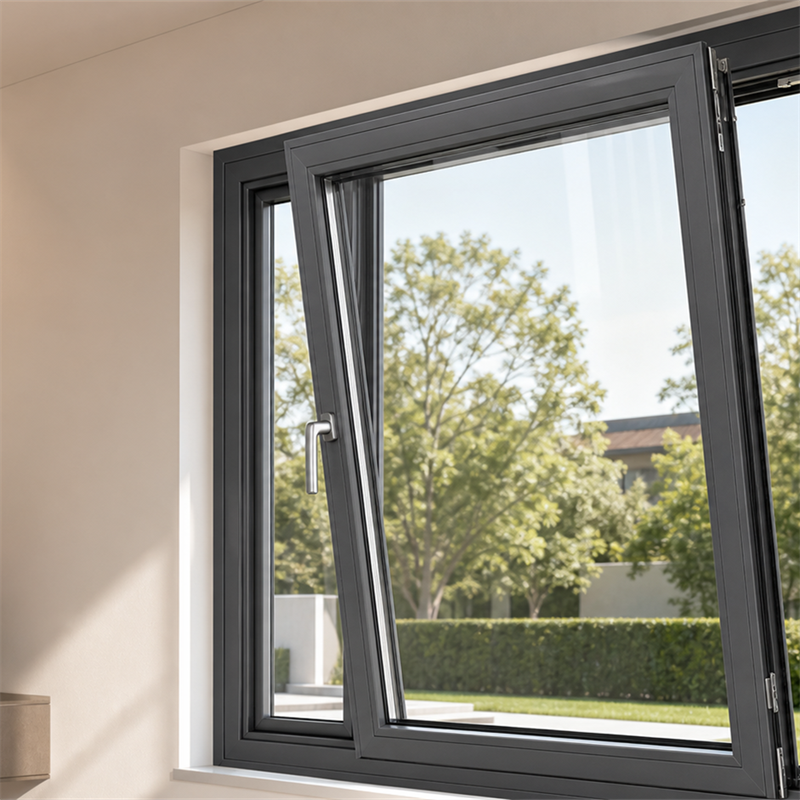
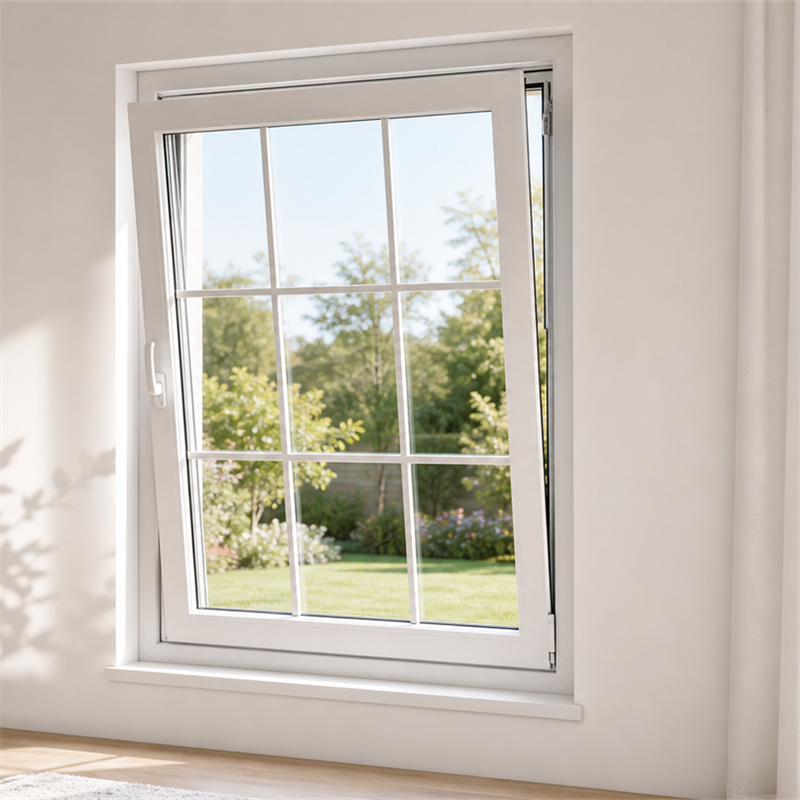
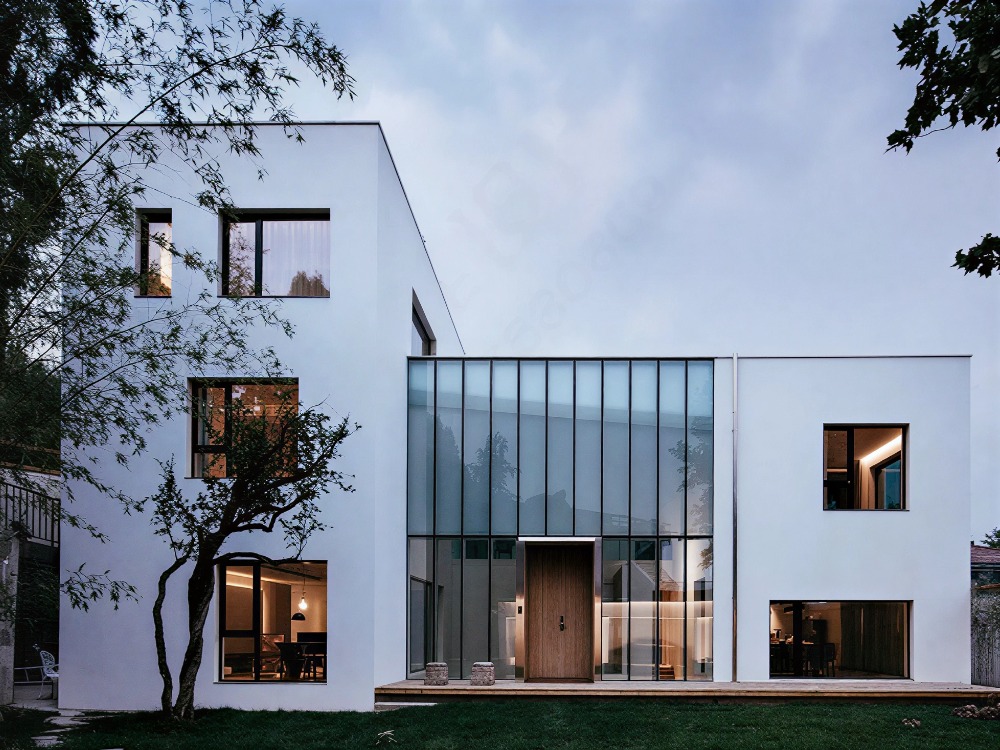
From Florida’s scorching sun and devastating hurricanes to Canada’s heavy snowfalls and frigid cold, North America’s diverse and extreme weather imposes rigorous requirements on the performance of outdoor doors. As the "first line of defense" separating indoor and outdoor spaces, the UV resistance and temperature change tolerance of outdoor aluminum doors directly impact their lifespan and the comfort of your home. Many homeowners have faced issues like door discoloration, deformation, and seal failure—problems that often stem from overlooking key climate-adaptive features during the purchasing process. This guide compiles core buying tips to help you avoid common pitfalls and select high-quality aluminum doors that can stand up to harsh weather conditions.
UV resistance is the fundamental requirement for outdoor doors in North America. Southern states receive more than 3,000 hours of sunlight each year, and intense UV rays can accelerate the aging and discoloration of ordinary door coatings. This not only mars the door’s appearance but also undermines the structural stability of the profiles over time. When shopping, prioritize the surface treatment process first: aluminum doors with "fluorocarbon spraying" or "powder coating" are top choices. The dense coating formed by fluorocarbon spraying can block over 95% of UV damage, keeping the door’s color bright even after a decade of sun exposure. Powder coating, which forms a film through high-temperature curing, boasts strong adhesion, and its weather resistance compliance rate is 60% higher than that of regular spraying. Additionally, always verify if the product has passed the UV resistance tests by the American Architectural Manufacturers Association (AAMA)—this certification mark is a critical guarantee of quality.
When it comes to coping with drastic temperature fluctuations, profiles and sealing systems are the key. In central and northern North America, winter temperatures can plummet to -30°C, while summer highs can reach 38°C, with daily temperature swings often exceeding 20°C. Ordinary aluminum doors are prone to profile expansion and contraction, which widens gaps, leading to poor insulation, air leakage, and water seepage. We recommend choosing high-strength aluminum profiles with a wall thickness of at least 1.4mm—these profiles have lower thermal conductivity and can limit the deformation rate to within 0.1% during temperature changes. For the sealing system, opt for designs with "multi-layer EPDM rubber strips." This type of rubber strip can withstand temperatures ranging from -40°C to 120°C. When paired with double-layer insulated tempered glass, it not only blocks heat transfer but also prevents glass breakage caused by temperature differences. In winter, this combination can raise indoor temperatures by 3-5°C, significantly cutting down on heating costs.
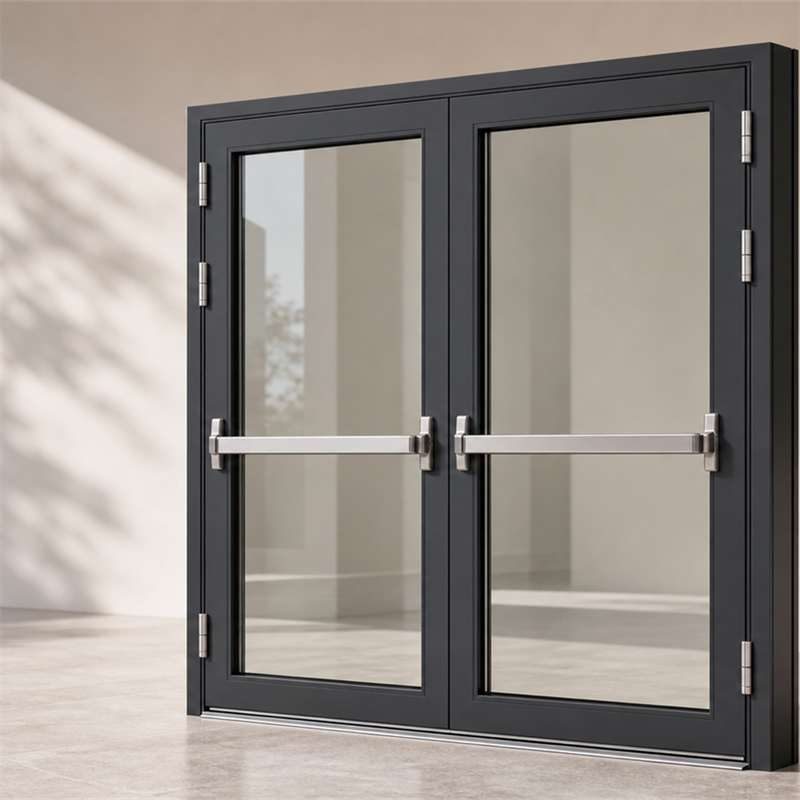
Extreme weather is often accompanied by strong winds and heavy rains, so wind pressure resistance should never be overlooked. In hurricane-prone areas, focus on the wind pressure resistance rating of the doors—select products that meet the ASTM E1886 standard, which means they can withstand strong winds of up to 130 km/h. Such aluminum doors typically feature "reinforced mullions" and "anti-pry locking points," with expansion bolts securing the connection between the door frame and the wall, ensuring structural stability even in gale-force winds. Furthermore, the drainage system design is crucial. Doors with "hidden drainage holes + water guide strips" can quickly drain rainwater, preventing water from seeping into the room or corroding the profiles.
In North America’s volatile climate, choosing outdoor aluminum doors should not be based solely on appearance. By focusing on core performances like UV resistance, temperature change tolerance, and wind pressure resistance, recognizing authoritative certifications, and opting for professional installation, you can ensure this "defense line" is both durable and reliable, providing long-term safety and comfort for your home.
 Hot News
2026-01-07
2026-01-06
2026-01-05
2026-01-01
Professional Hywin windows doors manufacturer from China. Specializing in thermal break aluminum, UPVC casement, sliding, folding & single up-hung windows. Custom solutions for global construction projects.
No. 468, Hongdai Village, Jiaomei Town, Longhai District, Zhangzhou, Fujian, China
Copyright © Xiamen Haoyue Door & Window Co., Ltd. All Rights Reserved Privacy Policy Blog

 EN
EN